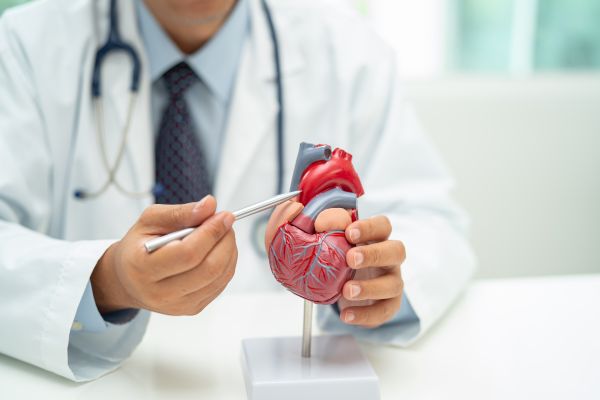
5 Reasons You Need an Echocardiogram
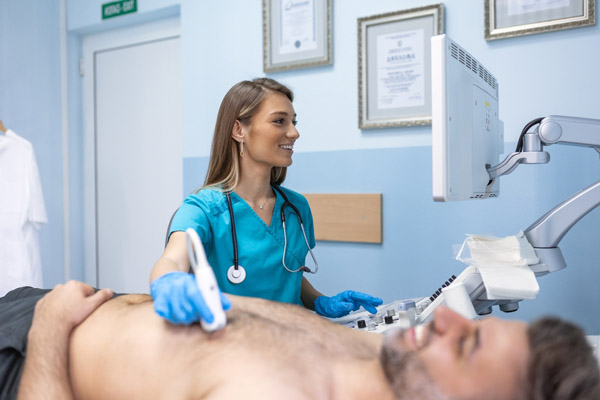
An echocardiogram, or EKG, provides cardiologists with a detailed view of how the heart beats and pumps blood, making it one of the most useful tools for evaluating heart health. This quick, noninvasive ultrasound test helps detect problems that may not appear on a routine exam or EKG. It also guides treatment decisions for many common heart conditions. Understanding why a cardiologist recommends this test helps patients feel more informed and confident about care.
5 reasons cardiologists recommend an echocardiogram
1. Evaluate unexplained symptoms
One of the most common reasons to need an echocardiogram is the presence of unexplained symptoms. Shortness of breath, chest discomfort, fatigue, dizziness, or swelling in the legs may signal that the heart is not pumping efficiently. An echocardiogram shows how well the chambers fill with blood and how strongly the heart squeezes with each beat. This information helps the cardiologist determine whether the symptoms are related to heart failure, valve problems, or another cause.
2. Check for heart valve problems
Essentially, heart valves act like doors that keep blood flowing in the correct direction. When they become narrowed or leaky, the heart must work harder, which may lead to fatigue, shortness of breath, or irregular heart sounds. An echocardiogram allows the cardiologist to see each valve open and close in real time.
More specifically, the test measures how much blood flows through and whether any leaks backward. This level of detail helps classify valve disease as mild, moderate, or severe. With clear images and measurements, the cardiologist can recommend monitoring, medication, or a procedure if needed.
3. Assess heart muscle strength and size
High blood pressure, prior injury to the heart, or long-term strain may weaken or enlarge the heart muscle. An echocardiogram measures the ejection fraction, which shows how much blood the heart pumps out with each beat. It also evaluates the thickness of the heart walls and the size of the chambers.
These measurements help diagnose conditions such as cardiomyopathy or heart failure. Identifying reduced pumping strength early allows lifestyle changes and medication to protect the heart from further damage. Of course, following up with additional echocardiograms can help to track how well treatment works over time.
4. Detect congenital or structural abnormalities
Some people are born with structural differences in the heart that may not cause symptoms until later in life. However, small holes between chambers, abnormal connections, or unusual shapes of valves and vessels may increase the risk of complications. An echocardiogram clearly and safely shows these structures without radiation. Discovering a structural issue early helps the cardiologist decide whether careful monitoring or corrective treatment is appropriate. This is especially important for patients with a family history of heart problems or abnormal findings on other tests.
5. Monitor treatment and surgical results
After a heart procedure, valve repair, or change in medication, the cardiologist often uses an echocardiogram to check progress. As mentioned, the test shows whether the heart pumps more efficiently, whether the valves function better, and whether fluid around the heart has improved. It also helps confirm that implanted devices, such as certain valves, appear stable and effective. Regular follow-up imaging ensures that treatment continues to support the heart in the right way. If new changes occur, the care plan can be adjusted quickly.
Schedule an appointment
An echocardiogram provides detailed information about valves, chambers, blood flow, and pumping strength in a single, noninvasive test. Have you been recommended for an EKG? Contact Florida Premier Cardiology to schedule an appointment.
Request an appointment here: https://floridapremiercardio.com or call Florida Premier Cardiology at (561) 325-6495 for an appointment in our Delray Beach office.
Check out what others are saying about our services on Yelp: Echocardiogram in Delray Beach, FL.
Recent Posts
Vascular heart disease affects over 8 million people in the United States, according to the Centers for Disease Control and Prevention (CDC). Vascular disease treatment has traditionally been associated with open-heart surgery to repair or replace the affected heart valve, which can cause health complications and lead to extensive hospital stays and recovery time. Additionally,…
A cardiac stress test helps in the detection of coronary artery disease. CAD is a heart condition that is most likely to affect middle-aged men. It is caused by fatty deposits building up in the coronary artery, hindering the proper flow of blood. A cardiac stress test is not a 100% accurate way to diagnose…
The heart is a hardworking organ that beats hundreds of thousands of times a day. A heart specialist, also known as a cardiologist, is trained to diagnose and treat conditions related to the heart and its blood vessels. Individuals may need to visit a heart specialist if they experience symptoms of heart disease like chest…
High cholesterol is a common medical issue in the Western world, especially in the United States. Researchers estimate that about 71 million Americans have high cholesterol. Fortunately, cardiologists offer cholesterol management to prevent serious problems like heart attack and stroke. Often, this treatment will involve lifestyle changes, healthier eating, and medication.Unfortunately, there are no warning…