What is a Cardiology Specialist, and What Can They Treat?

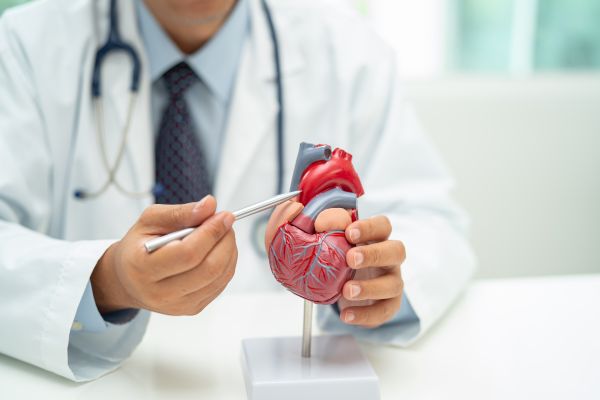
A cardiology specialist helps patients understand, treat, and prevent conditions that affect heart health. Since the heart works constantly, any changes in chest comfort, breathing, stamina, heart rhythm, or blood pressure can quickly become apparent. Some patients see a cardiologist after symptoms appear, while others do so on a doctor's referral that risk factors need closer monitoring. In either case, early care can help patients protect heart function, improve energy, and feel more confident about their long-term health.
What is a cardiology specialist?
A cardiology specialist, or cardiologist, focuses on the prevention, diagnosis, and medical management of heart and blood vessel conditions. This includes the entire cardiovascular system: the heart muscle, valves, arteries, veins, and the way blood moves through the body (circulation). A cardiologist evaluates symptoms, orders testing, and may prescribe treatment based on the results. Their goal is to support the patient's cardiovascular health for years to come.
That is why this type of care starts by taking a careful look at the full picture of health. In addition to any symptoms, a cardiology specialist may review medications, pre-existing health conditions, blood pressure, cholesterol, stress, and current activity levels. The idea is to see both what could be affecting the heart and how to lower future risk.
Cardiology specialists do not usually perform open-heart surgery. Instead, they manage heart conditions with medications, lifestyle guidance, monitoring, and certain minimally invasive procedures. If the patient does need more advanced treatment, these specialists can coordinate care with heart surgeons or emergency care teams.
Symptoms and conditions a cardiology specialist can treat
A cardiology specialist can evaluate symptoms that may point to a heart or circulation concern, including:
- Shortness of breath during rest or activity
- Palpitations, fluttering, or an irregular heartbeat
- Dizziness, lightheadedness, or fainting
- Swelling in the legs, ankles, or feet
- Fatigue that does not match normal activity levels
- High blood pressure, high cholesterol, or diabetes-related heart risk
These symptoms do not always mean a serious heart problem has developed. But if it has, cardiology specialists can help treat conditions such as coronary artery disease, hypertension, high cholesterol, arrhythmias, valve disease, and congenital heart concerns. With the right diagnosis, patients can receive a focused care plan that relieves symptoms and protects the heart.
Common treatment recommendations
A cardiology specialist may use a variety of treatments to help patient's get their heart health under control. Medications are a common option, as they can help manage blood pressure, cholesterol, rhythm problems, fluid retention, or blood clot risk. The specialist may also recommend nutrition changes, regular physical activity, smoking cessation, stress management, or sleep support. These steps can improve everyday quality of life while supporting long-term heart function.
As mentioned, some patients need procedures or coordinated care with another medical specialist. This may include stent placement or a pacemaker evaluation. The cardiology specialist explains the reason for each step so patients understand the plan and feel supported.
Finally, a cardiology specialist does more than respond to symptoms. Prevention plays a major role in heart care. Many cardiovascular conditions develop slowly, so managing risk factors can protect the heart before serious problems occur.
Schedule a consultation
A cardiology specialist works to protect cardiovascular health so that patients can enjoy an active, confident lifestyle. Put your heart health first. Contact Florida Premier Cardiology today.
Request an appointment here: https://floridapremiercardio.com or call Florida Premier Cardiology at (561) 325-6495 for an appointment in our Delray Beach office.
Check out what others are saying about our services on Yelp: Cardiology Specialist in Delray Beach, FL.
Recent Posts
If you have been diagnosed with a condition that poses cardiovascular risks, you are probably searching for the phrase "cardiologist near me." This search is crucial because it can affect your experience when receiving treatment and living with a heart condition. Before continuing your search, this guide is here to help narrow down your choices…
Vascular heart disease affects over 8 million people in the United States, according to the Centers for Disease Control and Prevention (CDC). Vascular disease treatment has traditionally been associated with open-heart surgery to repair or replace the affected heart valve, which can cause health complications and lead to extensive hospital stays and recovery time. Additionally,…
A cardiac stress test helps in the detection of coronary artery disease. CAD is a heart condition that is most likely to affect middle-aged men. It is caused by fatty deposits building up in the coronary artery, hindering the proper flow of blood. A cardiac stress test is not a 100% accurate way to diagnose…
The heart is a hardworking organ that beats hundreds of thousands of times a day. A heart specialist, also known as a cardiologist, is trained to diagnose and treat conditions related to the heart and its blood vessels. Individuals may need to visit a heart specialist if they experience symptoms of heart disease like chest…